

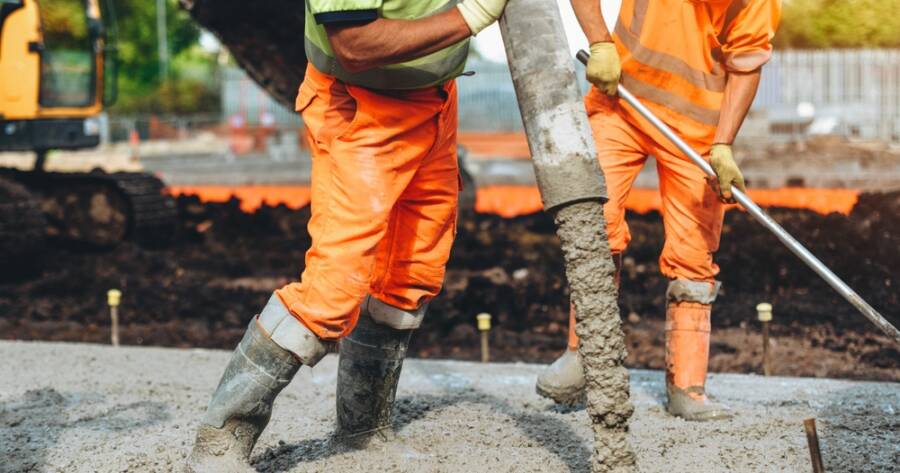
Concrete continues to shape modern construction through its strength, adaptability, and long-term performance. Used in everything from homes and sidewalks to bridges and large commercial projects, it remains one of the most trusted building materials worldwide. Understanding how concrete works and why builders rely on it helps highlight its value in today’s evolving construction industry.
The Versatility and Benefits of Concrete
Concrete is a fundamental building material that has been used for centuries due to its versatility and durability. It is composed of a mixture of aggregate materials such as sand, gravel, or crushed rock, combined with cement. The ratio of these ingredients determines the strength and texture of the final product, making it suitable for a wide range of construction applications, from pavements and architectural structures to roadways and bridges (source).
Environmental and Economic Advantages
One of the primary benefits of using concrete is its cost-effectiveness. It is one of the most affordable building materials, which helps keep construction budgets in check.
Additionally, concrete is environmentally friendly due to its low energy requirements for production and its ability to incorporate recycled materials like old tires and broken glass, promoting sustainable building practices (source). Concrete’s insulating properties also contribute to energy efficiency, reducing heating and cooling costs by maintaining consistent indoor temperatures (source).
Durability and Safety Features
Concrete is renowned for its durability and low maintenance requirements, often outlasting other materials by decades. Its resilience to various environmental conditions, including high temperatures and water exposure, makes it suitable for challenging environments.
Concrete’s fire-resistant properties enhance building safety, particularly in fire-prone areas, and contribute to healthier indoor environments by preventing mold growth and not emitting volatile organic compounds (source). Additionally, concrete homes offer excellent protection against natural disasters such as hurricanes and tornadoes, often resulting in lower insurance premiums (source).
Concrete in Modern Construction
The modern construction industry continues to benefit from the use of concrete, particularly with the integration of new technologies. Advanced tools and equipment, such as power tools, lasers, and GPS, are used in concrete work, adding an element of fun and innovation to the job (source). The ability to mix and pour concrete on-site streamlines the construction process, making it faster and more efficient, which is particularly advantageous in time-sensitive projects (source).
Why You Should Learn More About Concrete Today
Concrete is more than a common building material—it plays a central role in modern construction because it combines affordability, versatility, and long-term durability. Its ability to support a wide range of projects, from residential foundations to major infrastructure, makes it one of the most practical choices for builders. Concrete also offers important safety advantages, including fire resistance and strong performance in harsh weather conditions, which can improve structural reliability and reduce long-term maintenance costs.
As construction continues to evolve, concrete remains a key material for both innovation and sustainability. Incorporating recycled materials, improving insulation efficiency, and using advanced tools to streamline pouring and finishing all contribute to more modern building practices. Learning more about concrete helps homeowners, contractors, and industry professionals make smarter decisions that support durability, efficiency, and environmentally responsible construction.